


A Checklist for Building a More Resilient Shop
July 02, 2026
Shop Tips & Best Practices
5 min read
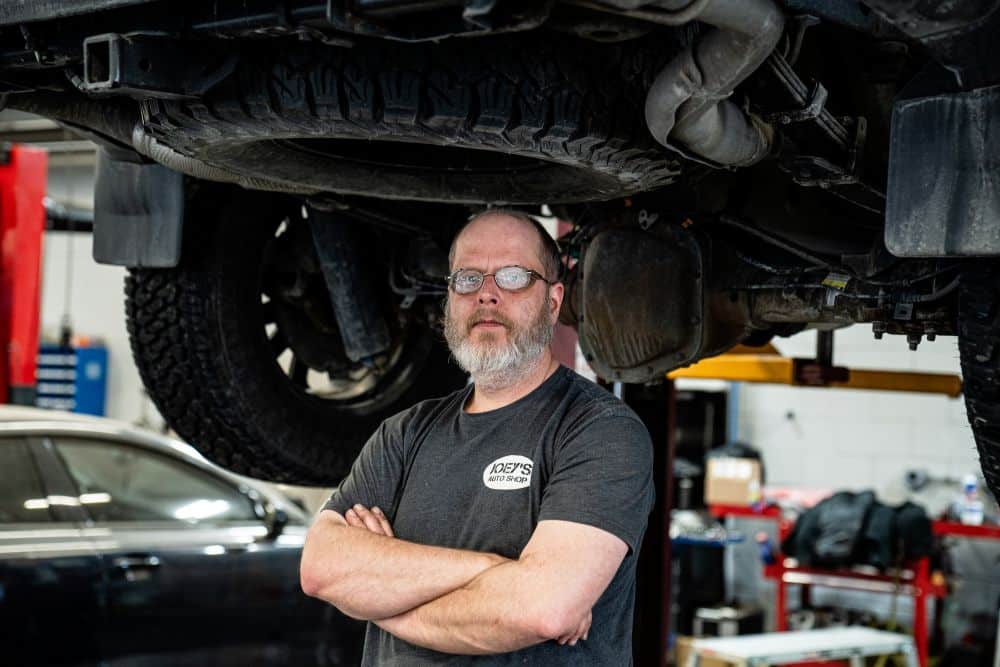
For shops, like most businesses, performance improvements don’t happen overnight. Real, lasting improvement comes from consistent, deliberate action across the business, from the employees to customers, the technology to the financials. The checklist below pulls together practical steps shops can take to strengthen workflows, retain talent, and build toward long-term stability. The good news? These changes do not require a complete overhaul. Picking a few and consistently following through with them is often enough to move the needle.
People & Culture
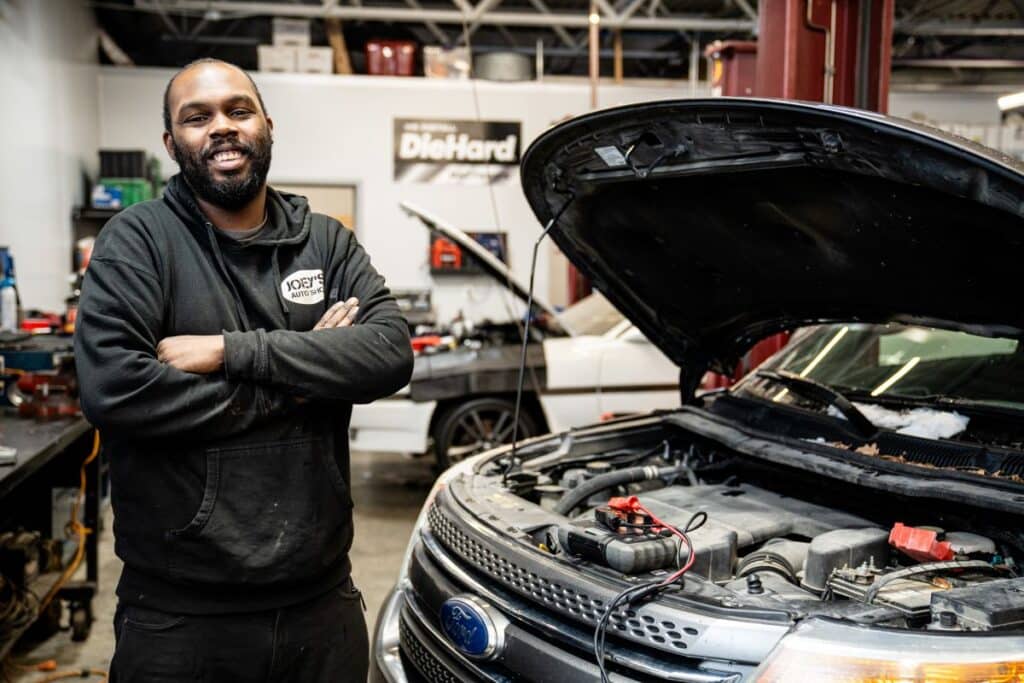
The people running a shop are its biggest asset and its biggest vulnerability, especially in an industry facing an ongoing technician shortage. Shops that invest in their teams tend to see that investment come back in the form of stronger retention, higher productivity, and a workforce that’s actually equipped to keep up with the pace of change.
These improvements can take shape in a few different ways, depending on what each shop is prioritizing. To get a sense of how that plays out in practice, take a look at some action items we outlined based on a survey of 700 shops!
Here are a few actions shop leaders can take to support the people and the shop culture:
- Invest in ongoing technician training. Continuous education helps technicians keep pace with evolving vehicle technology and repair standards. Well-trained technicians work more efficiently, produce less rework, and carry more confidence into every job.
- Improve work-life balance. Scheduling practices, like flexible hours, and realistic workload expectations go a long way toward reducing burnout and keeping experienced staff in their roles (and happy).
- Offer clear career growth paths. When employees understand how they can advance within the shop, they engage more fully and commit for the long haul. Vague or nonexistent growth paths tend to push good technicians out the door.
- Provide fair pay, benefits, and flexibility. Competitive compensation and benefits remain some of the most effective retention tools available, especially in a labor market where technicians have options.
Communication & Customer Experience
Communication shapes almost every outcome in a shop, from how smoothly a repair moves through the bay to whether a customer trusts the invoice they’re handed at pickup. Tightening communication, both inside the shop and with customers, reduces costly mistakes and establishes the kind of trust that keeps customers coming back. For improving in this area, consider the action items below created from OEC’s Auto Repair Survey Report findings!
The following items outline strategies for enhancing communications and supporting a strong customer experience:
- Prioritize internal communication. Teams that clearly understand expectations, priorities, and workflow changes make fewer errors and keep operations running smoothly.
- Improve customer education and transparency. Clearly explaining repairs, timelines, and costs builds trust. Educated customers are more likely to accept recommendations and return for future service.
- Optimize shop management systems for communication. Software that improves scheduling, workflow visibility, and job tracking automates a lot of the communication that used to fall through the cracks, while also cutting down on bottlenecks.
Technology & Tools

Technology isn’t just a convenience anymore. It’s become one of the clearest ways shops can reduce operational stress and stay competitive as the industry gets more complex. Shops that identify the right tools for their specific pain points tend to see faster, more measurable returns than those that adopt technology piecemeal.
We’ve mapped out some recommendations below created from responses of 700 shops surveyed for the OEC’s Auto Repair Survey Report.
Check out these tips for implementing – and getting the most out of – shop technology:
- Streamline parts procurement with modern platforms. Parts procurement tools improve availability, accuracy, and ordering, directly addressing one of the most common sources behind delays in the repair process.
- Invest in technology that reduces operational stress. Identify where technology can support the business, whether that’s shop management systems, procurement solutions, financial software, customer communication and reminders, or shop marketing software, and match the tool with your shop’s specific need.
Get ALL your suppliers in one lookup on PartsTech. Create your free account today!
Click HERE to Learn More & Get Started
Financial Alignment
Financial performance can feel disconnected from the day-to-day work happening on the shop floor, but it doesn’t have to be that way. Shops that bring their teams into the financial conversation tend to build a stronger sense of ownership across the board.
Connect your team’s work to the shop’s performance results with these tips:
- Practice transparent financial communication. Sharing high-level financial insights helps employees see how efficiency, productivity, and customer service directly affect profitability.
- Help employees see the bigger picture. When teams understand how their work contributes to the shop’s overall performance and goals, they tend to operate more efficiently and take greater ownership of outcomes.
Building a resilient shop is an ongoing practice, not a single, one-off fix. It takes ongoing attention, revisiting workflow, staffing, and sourcing decisions as conditions change rather than treating them as settled once addressed. Working through even a handful of these checklist items with consistency will help put any shop in a stronger position to navigate both the challenges and opportunities ahead. Shops that build this kind of consistency now will be the ones best positioned to adapt as the industry continues to evolve.
Make sourcing parts the easy part of your day & save 15 minutes per RO with PartsTech! To learn more, connect with a PartsTech pro. Complete the form below and we will be in touch.

You may also like
Shop Stats: The Next 5 Years and the Biggest Challenges Ahead
The shops that come out ahead in the next five years won’t be the ones that avoided the industry’s challenges – they’ll be the ones that saw …
Find Out More

Shop Stats: Insights into Parts Ordering & How to Improve the Process
A shop’s parts ordering process rarely gets the spotlight, but it quietly shapes almost everything else that happens on the floor. A tight, well-run process keeps technicians …
Find Out More

The Looming Succession Crisis & What Smart Shops Are Doing About It
OEC’s U.S. General Auto Repair Shop Survey Report, drawn from nearly 700 shops surveyed in September 2025, puts hard numbers behind what many owners already sense on …
Find Out More